





Champagne-making
IL N’EST DE CHAMPAGNE QUE DE LA CHAMPAGNE
The cultivation of vines and the production of Champagne wines are governed by some of the strictest rules in the world. Each stage requires rigorous know-how, the hallmark of Champagne excellence.
An alchemy between nature, the work of men and the passing of time.
Discover the essential steps for creating a successful cuvée
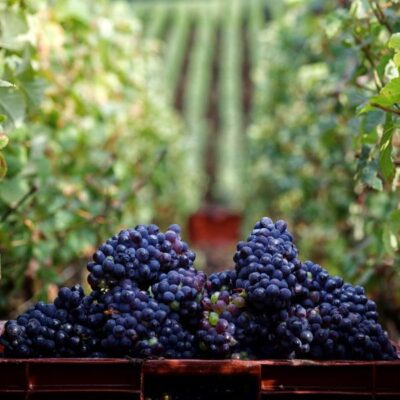
THE VENDANGES
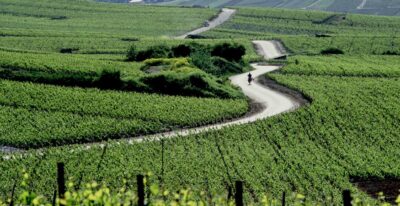
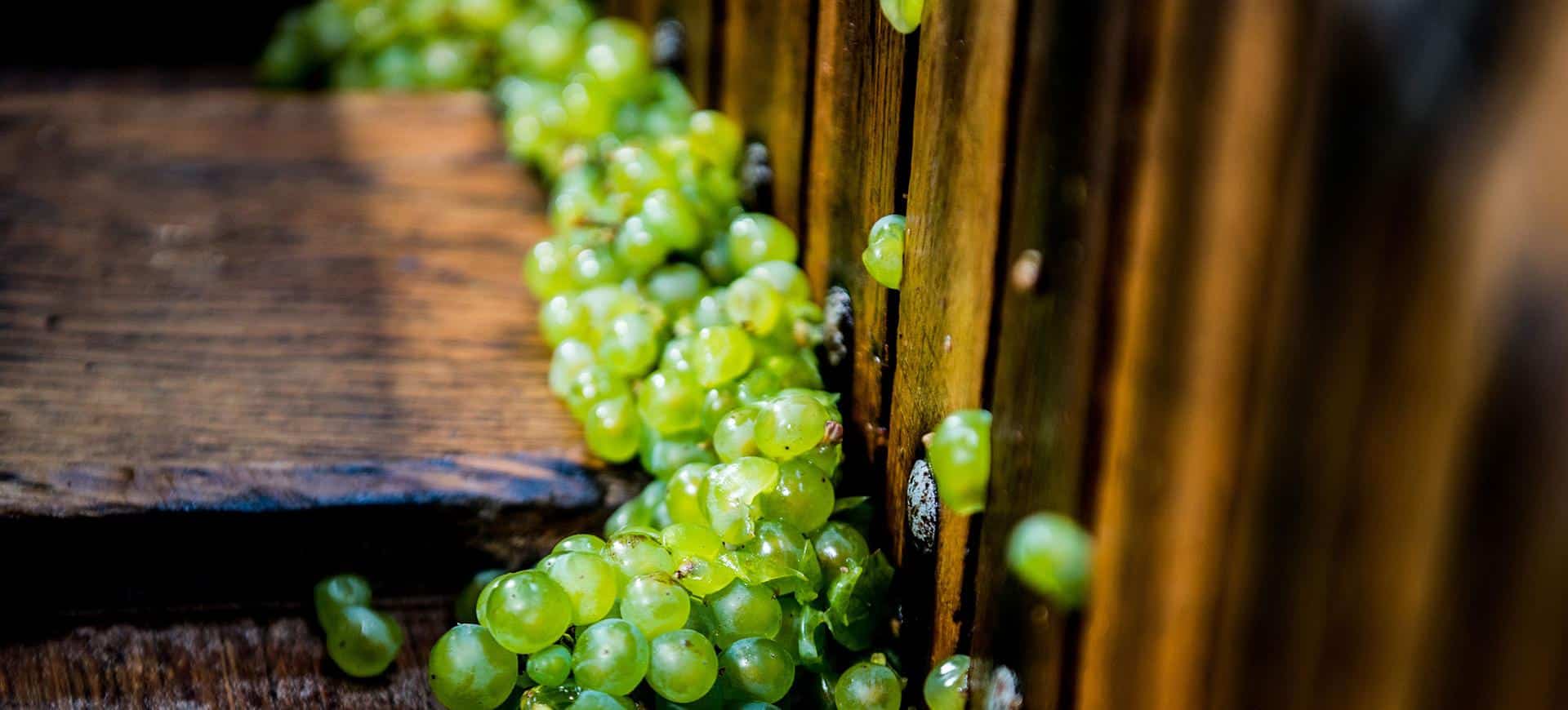
In Champagne, harvesting is manual, requiring between 100,000 and 150,000 grape-pickers, depending on the quality of the harvest. Harvest start dates are set in advance by the CIVC, as are harvest quotas, which vary from year to year (number of kilos of grapes authorized for harvest per hectare).
From the official harvest start date, winegrowers have around a month to complete the harvest. Each village fine-tunes the optimum date according to the ripeness of the grapes, which varies from region to region. Each winegrower then chooses the best time to harvest his grapes, depending on the desired oenological quality (the earlier the grapes are harvested, the fresher and more acidic the champagne).
WINEMAKING
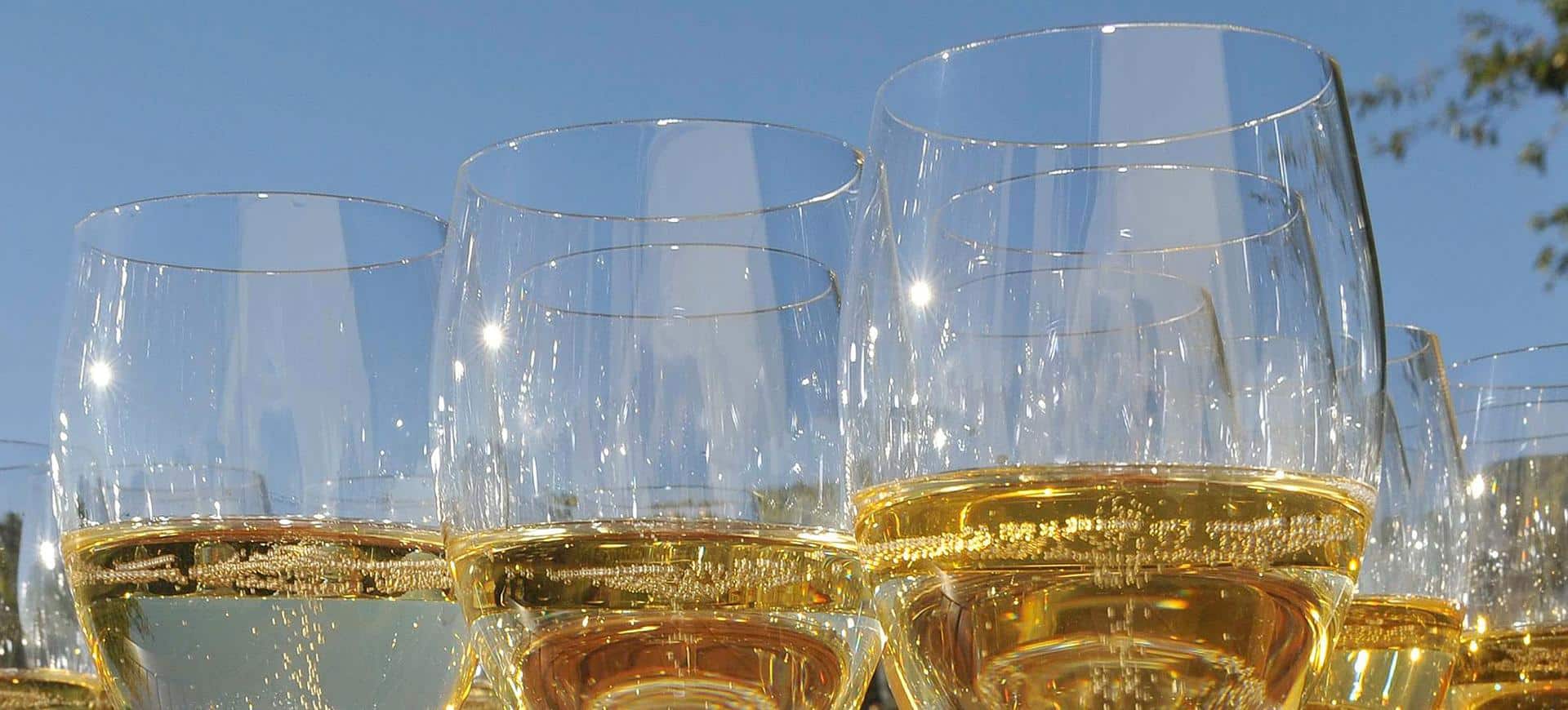
After the harvest, usually in September, the grapes are pressed. The resulting juice (or must) is transferred to stainless steel tanks or wooden tuns, where it undergoes a first fermentation, known as “alcoholic fermentation”, which transforms the must into wine. In concrete terms, yeast “eats” the sugar, producing alcohol and carbon dioxide.
Next comes malolactic fermentation, which transforms malic acid into lactic acid. Malolactic fermentation is not compulsory, but most winemakers prefer to start it in order to obtain sweeter, riper, slightly milky aromas. After one to three weeks of fermentation, the wine is left to rest for a few months for the clarification stage. With their solid particles removed, these basic wines are now known as “vins clairs”. Still classified by grape variety, year, crus or even parcel, cuvée wines and vins de taille, they are ready for blending.
ASSEMBLY
The following spring sees the start of one of the most essential and secret stages in champagne production: blending. This decisive operation gives champagnes their character. A good blend is the harmony of different crus, grape varieties and even years, which the cellar master or chef de cave chooses to combine to create a cuvée with the same taste every year, regardless of the quality of the harvest.
Blending becomes the signature of a house. The aim? To achieve a balance that nature cannot offer on its own, and that would not exist without human intervention.
BOTTLING AND SPARKLING
After the harvest, usually in September, the grapes are pressed. The resulting juice (or must) is transferred to stainless steel tanks or wooden tuns, where it undergoes a first fermentation, known as “alcoholic fermentation”, which transforms the must into wine. In concrete terms, yeast “eats” the sugar, producing alcohol and carbon dioxide.
Next comes malolactic fermentation, which transforms malic acid into lactic acid. Malolactic fermentation is not compulsory, but most winemakers prefer to start it in order to obtain sweeter, riper, slightly milky aromas. After one to three weeks of fermentation, the wine is left to rest for a few months for the clarification stage. With their solid particles removed, these basic wines are now known as “vins clairs”. Still classified by grape variety, year, crus or even parcel, cuvée wines and vins de taille, they are ready for blending.
RIDDLING AND DISGORGING
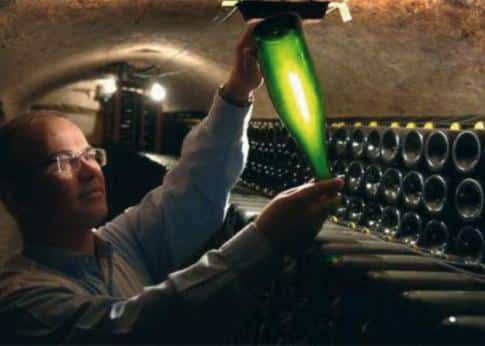
After this long resting period (a minimum of 15 months for a non-millésimé, 3 years for a millésimé), the wine must be returned to its limpidity by eliminating the deposit (the yeast skins die as there is no more sugar to eat) that has formed after the foam has set. Riddling involves slowly pushing the deposit formed in the bottle towards the neck. This operation is still sometimes carried out manually, on wooden desks by a professional riddler.
Today, riddling is usually mechanized, with the use of a gyro-pallet. At the end of the operation, the bottles are placed upside down (“sur pointe”), before being “disgorged” to evacuate the deposit. It is also during the disgorging process that liqueur d’expédition is added, helping to develop the wine’s aromatic characteristics.
CAPPING AND DRESSING
The bottle is finally corked, muzzled and dressed, ready to be marketed. Champagne, a blended wine, is born!
To find out more
Become a Champagne expert with the Mooc courses of the Comité Interprofessionel des vins de champagne
4 free educational modules
- Diversity and Tasting
- Elaboration: from vine to wine
- Champagne terroir
- History and Economy