


Lac du Der Chantecoq and surroundings
Here, water is king... Characteristic of the Champagne wetlands, the bocage champenois reveals a generous natural environment around the Lac du Der-Chantecoq.
Lac du Der Chantecoq, an inland sea
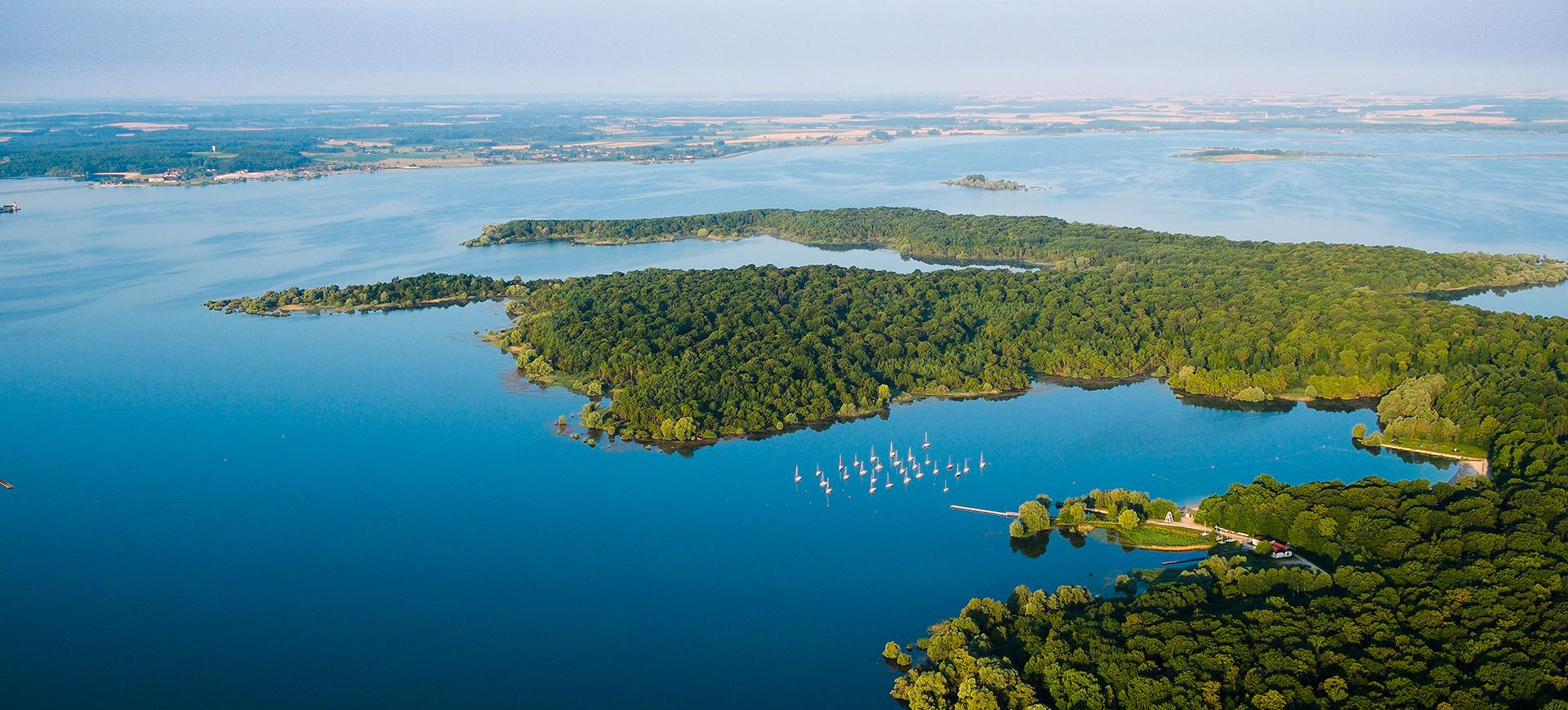
It was to protect Paris from the seasonal vagaries of the Seine that the Champaubert reservoir was created in 1938, followed in 1974 by the Lac du Der Chantecoq on a site specially chosen for its impermeable clay layer.
For six years, millions of m3 of clay, rock and concrete were hauled away… No fewer than 14 bridges, 25 km of road and 24 km of dikes were built. The villages of Nuisement, Champaubert and Chantecoq and part of the Der forest were even swallowed up by necessity, and some of the buildings from these villages can now be found rebuilt on the Musée du Pays du Der website.
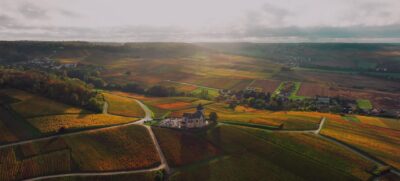
Only the Champaubert church, standing at the end of the grove, reminds us that water has not always been the main guest here!
Lac du Der Chantecoq, a natural escape
With its 4,800 hectares and 77 km of shoreline, this artificial lake, one of the largest in Europe, gives the landscape a vacation feel!
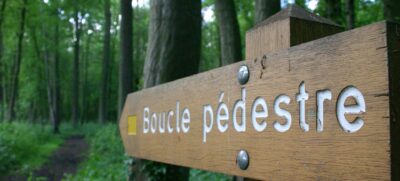
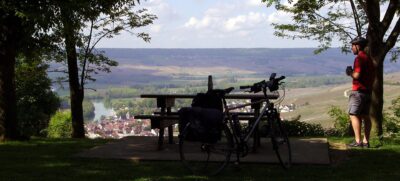
Spot idéal pour les sports et loisirs de plein air, on peut s’adonner ici aux plaisirs de l’eau, de la plage et des activités nautiques. Et profiter, en toute saison, de longues balades à vélo sur la digue ou les chemins de randonnée dans un cadre enchanteur qui ravira les amoureux de la nature…
Only the Champaubert church, standing at the end of the grove, reminds us that water has not always been the main guest here!
The Champagne Route of timber-framed churches
Timber-framed churches are rare. The only one in France, dating from the 16th and 17th centuries, is in Le Der. The decision to build in wood was a response to the time and financial constraints of the time: they were built according to the same principles as barns or market halls, using mainly oak. The fragility of the materials used explains why they have been restored to their original appearance.
Dans la région des grands lacs de Champagne, se rencontre un groupement d’édifices religieux unique en France : dix églises et une chapelle édifiées entièrement en pans de bois, entre la fin du XVe et le XVIIIe siècle que l’on peut découvrir en suivant la Route des églises à pans de bois.
Empruntant des routes de campagne jalonnées d’étangs et de lacs, de forêts et de prairies, cet itinéraire vous conduira auprès des villages et de leur église, à l’architecture hors du commun !
Did you know?
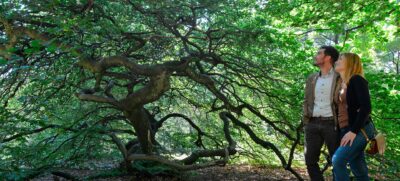
Etymologically, the word “Der” comes from the Celtic word for oak!

Vitry-le-François
A proximité, Vitry-le-François, capitale du Perthois, saura vous séduire grâce aux délicieuses curiosités que vous pourrez y découvrir. Sa majestueuse Collégiale Notre Dame de l’Assomption, classée Monument Historique est le plus grand édifice religieux de style classique du département de la Marne.
A city of water, long impacted by the boating industry, you can stroll along the canals or the Marne River, on foot or by bike, with friends or family.
Did you know?
La célèbre porte du pont, élevée à la sortie ouest de Vitry, fut démontée en 1939 puis reconstruite à l’entrée nord en 1984.
The hillsides of Vitry
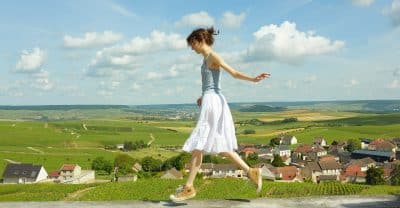
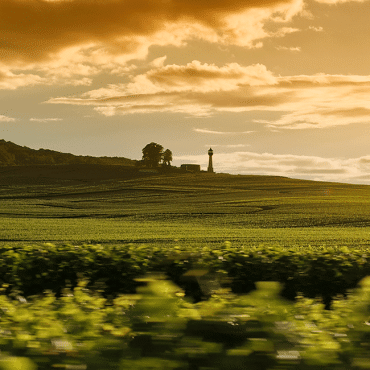
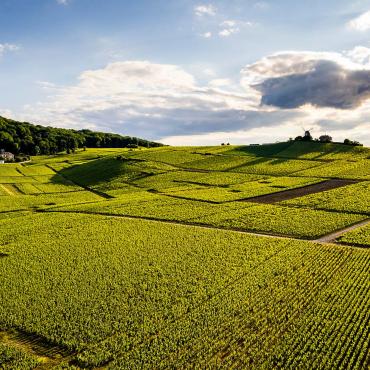
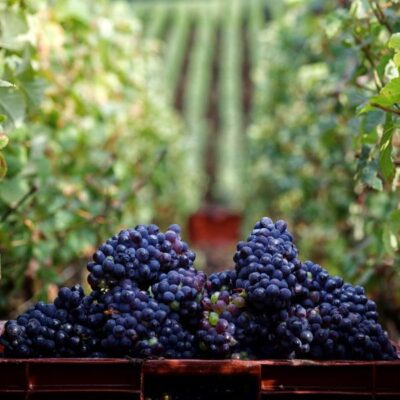
To round off your journey between lake and river on a sparkling note, the region also offers an itinerary between vineyards and hillsides…
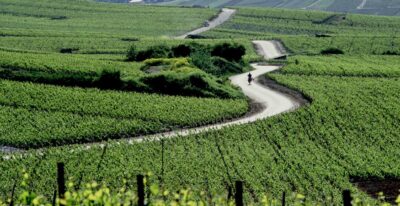
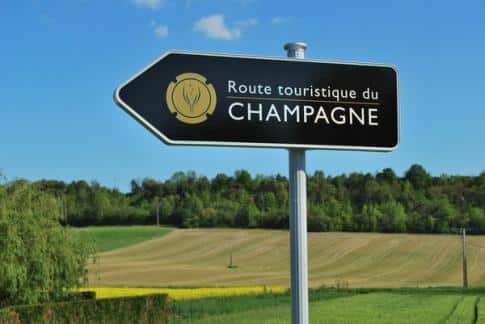
Au départ de Vitry, cet itinéraire de la Route Touristique du Champagne offre une nouvelle porte d’entrée sur le vignoble champenois pour les visiteurs séjournant dans la région de Vitry-le-François et du Lac du Der.
Over some sixty kilometers, it winds its way along small roads through hills, mountains and plains, taking in some twenty villages with architecture typical of the Bocage champenois.
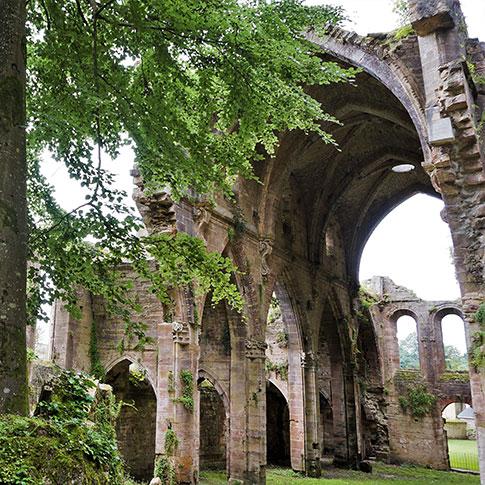
The aptly named Trois-Fontaines
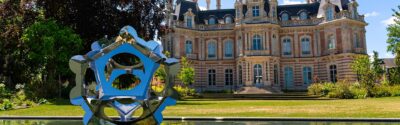
The Abbaye de Trois-Fontaines was founded by Saint Bernard de Clairvaux, and was once a thriving and prosperous abbey. The ruins of the 12th-century abbey church remain, as does the monumental portal erected in the 18th century by Cardinal de Teucin, who owned the site at the time.
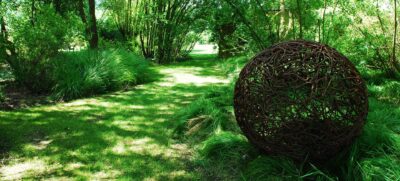
The park, designed by a pupil of Le Nôtre, is open all year round and invites you to take a stroll around the rare species of trees and statues… The Abbey also houses a bicycle museum.
By the way, why Trois-Fontaines? Because before settling here in 1118, the Cistercian monks had to drain a marsh formed by the overflow of the Bruxenelle, a small stream fed by three springs…
To the happiness of grey ladies…
Throughout the year, some 300 species of birds can be observed evolving in their respective environments on the Der. Among them, it’s undoubtedly the grey cranes that attract the most attention from keen observers.
From October to March, between 60,000 and 140,000 of these “gray ladies” make a healthy stopover on the lake. Fleeing the northern hemisphere at the first signs of cold, they end up in Tunisia or at the tip of Spain, in the Gallocanta lagoon: which translates as … Chantecoq!
They put on an extraordinary show as they leave their “dormitory” in waves, yelping!
Your contacts
- OFFICE DE TOURISME DU LAC DU DER – MAISON DU LAC – 51290 GIFFAUMONT-CHAMPAUBERT – 03 26 72 62 80
- VITRY-LE-FRANÇOIS INFORMATION OFFICE – 8 ESPLANADE DE STRASBOURG – 03 26 74 45 30
Places to visit near Lac du Der
Here are a few suggestions for discovering Lac du Der Chantecoq and the surrounding area, during a walk or a stay!
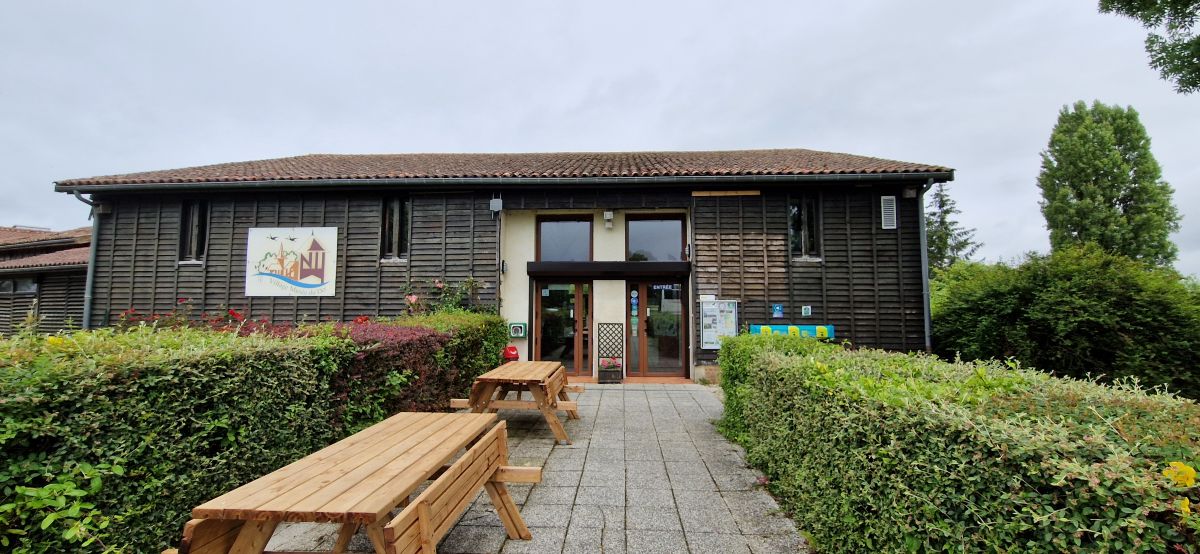
Village Musée du Der
Sainte-Marie-Du-Lac-Nuisement
A small village of authentic rebuilt timber-frame houses helps you explore the incredible history…
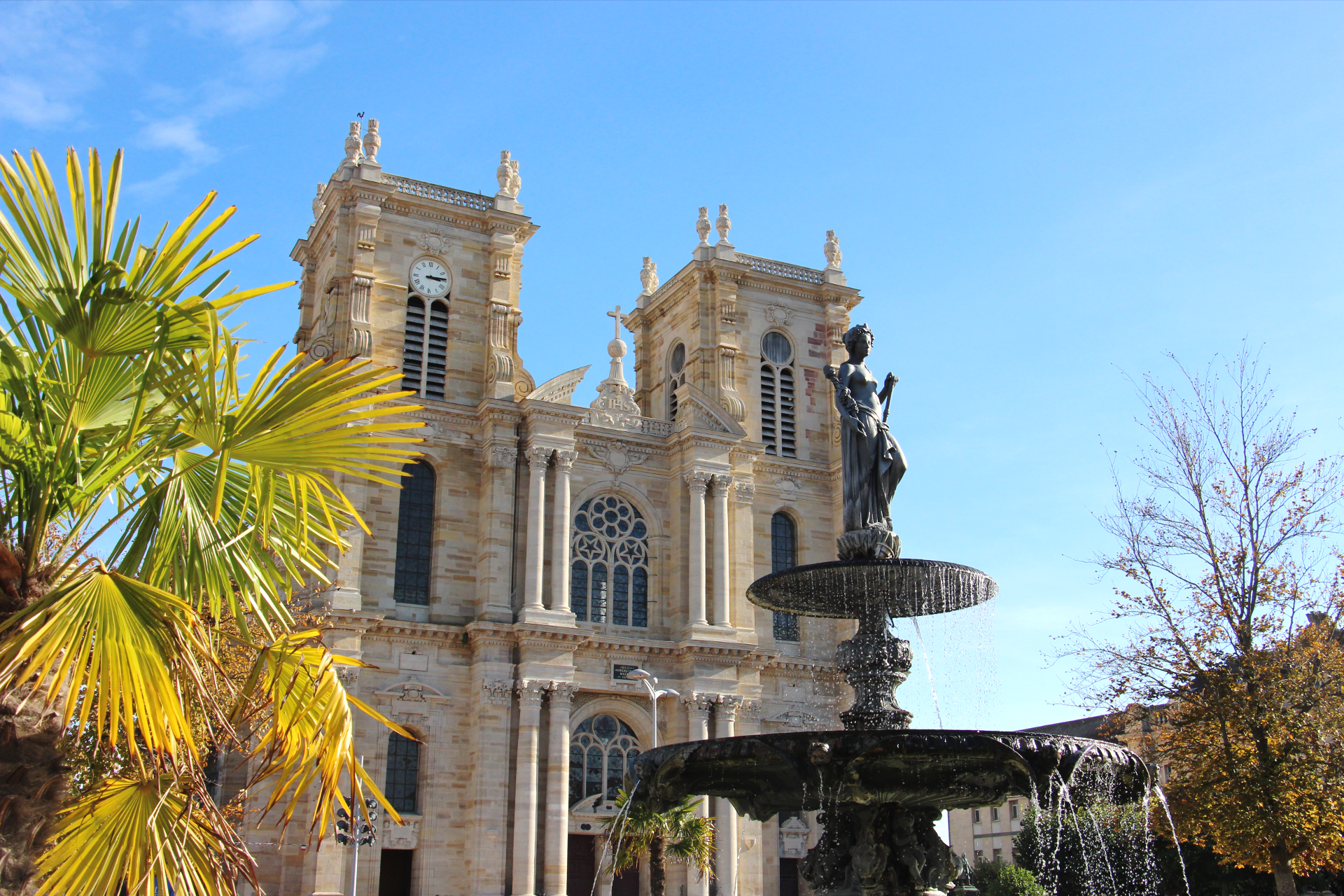
Collégiale Notre-Dame-de-l’Assomption
Vitry-Le-Francois
The biggest classic church of the Marne (XVIIè-XIIIè centuries). This ancient memorial shelters a…

Abbaye de Trois-Fontaines
Trois-Fontaines-L’abbaye

Route des églises à pans de bois de Champagne
Montier-En-Der
Wooden churches are very unusual. The only ones found in France are in Champagne. The choice of b…
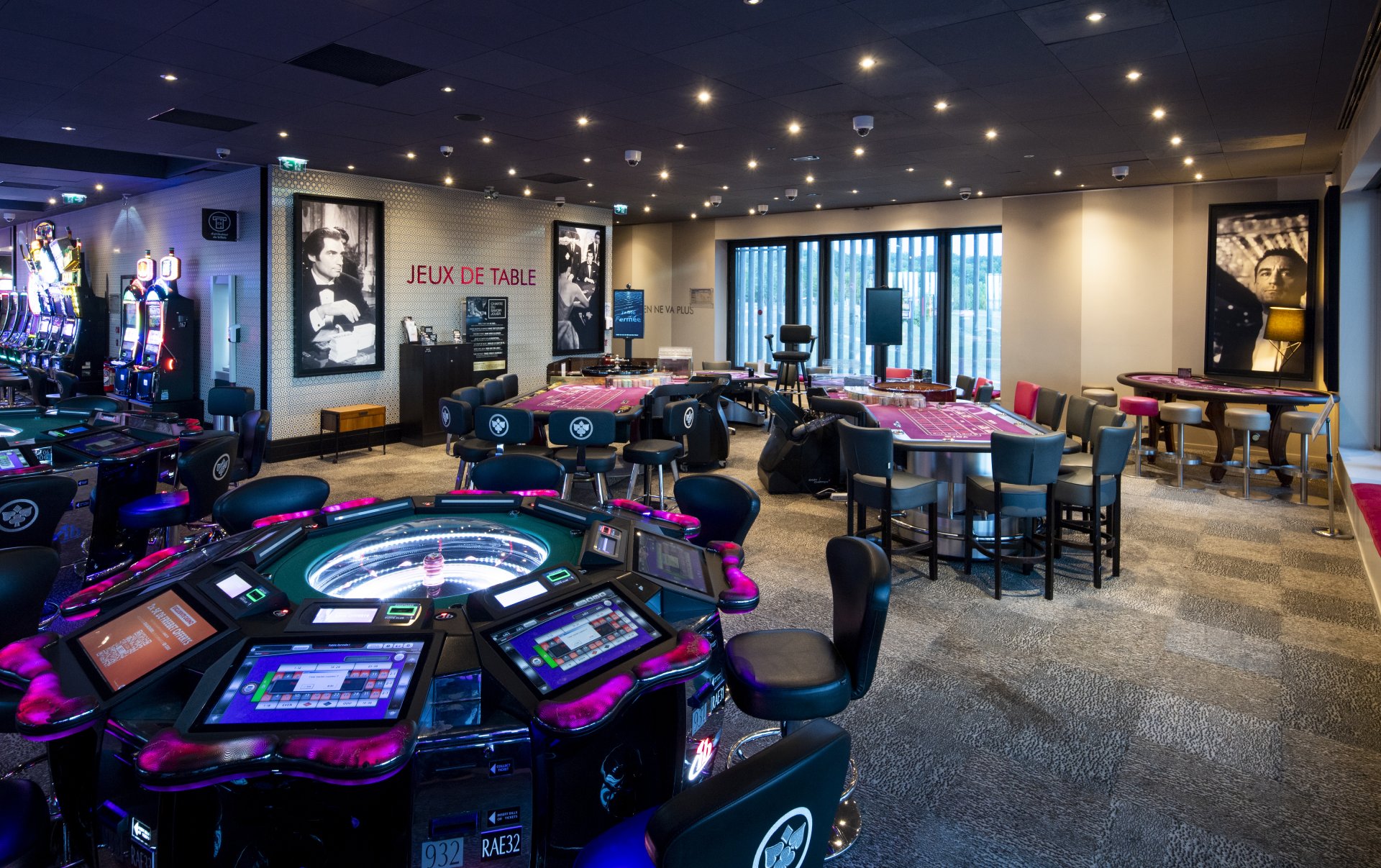
Casino JOA du Lac du Der
Giffaumont-Champaubert
With its roof garden, large bay windows and wooden cladding, the new casino is a simple, modern 2…