












The Marne in the Great War
La Marne, the name of the two decisive battles of the Great War; the name of a territory that even today, through its deep scars, bears witness to the bitter fighting that went on throughout the Great War.
Emblematic monuments and numerous cemeteries line the route of the old front. A multitude of nationalities are represented here, and the soil of the Marne region holds the largest number of military graves of any French department, with 164,145 soldiers’ graves.
There are many sites to discover and learn more about our past:
- Mondement, monument to the 1st Battle of the Marne
- Dormans, memorial to the two battles of the Marne
- Fort de la Pompelle, historic site and museum with high-quality collections
- Navarin ossuary (Champagne battles)
- The Russian chapel at Saint-Hilaire-le-Grand
- Blanc Mont American Monument
- La Main de Massiges and hill 191
- The Suippes “Marne 14-18” interpretation center
- The Gruerie ossuary and the vallée Moreau camp (Argonne)
The landscape is marked by a large central plain, framed by the Ardennes forest to the north, the Parisian plateau to the west and the Argonne massif to the east. The gently undulating plain is virtually unobstructed by anything but the Marne river valley, and the axes that run through it have always been of strategic importance.
A SPECIFIC AND DECISIVE FRONT
At the end of the summer of 1914, the German offensive was halted on the Marne, and the plain became the focus of the First Battle of the Marne, from the Saint-Gond marshes to the Saulx valley. But this victory was only a respite, as the front settled and moved north of the département. A certain equality of fire was established, and the belligerents came face to face in a tragic war of position. For the first time in history, a continuous front crossed the entire département: from the Chemin des Dames to the Argonne, the confrontations tortured landscapes, pulverized trees, destroyed villages and claimed an appalling number of victims.
The whole of 1915 was marked by a series of French offensives (in Champagne) and German offensives (in Argonne), resulting in the total and permanent destruction of the 5 villages of Tahure, Ripont, Hurlus, Perthes-les-Hurlus and Mesnil-les-Hurlus. The gains from the attacks were derisory, and the men on both sides, totally exhausted, gradually tried to organize their respective positions as best they could.
REINFORCEMENTS FROM THE ENDS OF THE EARTH
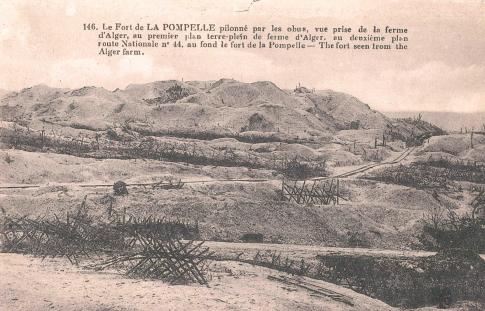
By 1916, a relative calm had settled over the Champagne front. As part of the agreements signed with Russia, two Russian brigades were sent to Champagne. They took up positions between Suippes and Reims (ferme de l’Espérance, fort de la Pompelle, massif de Saint-Thierry). In the spring of 1917, the battle of the Monts de Champagne broke out with that of the Chemin des Dames, and the Russians recaptured the village of Courcy, but 3 new villages were wiped off the map: Nauroy, Moronvilliers, Sapigneul and the hamlet of La Neuville, all of which were lost forever.
FROM THE SECOND BATTLE OF THE MARNE TO PEACE
In 1918, Germany wanted to finish the job and launched several offensives in the spring. Once again, it was in the heart of the Marne that the decisive action was to take place. In July, the Allies counter-attacked, and the Germans were forced to retreat. The Second Battle of the Marne had just taken place, and was to be the starting point for the reconquest of France. In the autumn, the front receded towards the Ardennes, and the Armistice was signed on November 11.
AFTER THE WAR
In the aftermath of the war, refugees were faced with a spectacle of desolation, and on their return many did not recognize their land. In addition to the destruction, the soil is full of unexploded ordnance, making it uncultivated and dangerous. More than anywhere else, the Marne region bears in its soil the genesis of memorial construction: 52 French and foreign necropolises, 8 villages gone forever, ossuaries and monuments of impressive dimensions reflect the scale of the disaster and bear witness to the grief of our forebears.
So it’s no coincidence that it was the Marne that saw the birth of the concept of lasting world peace, championed by Léon Bourgeois, a Marne native at heart, father of the League of Nations and winner of the Nobel Peace Prize in 1920.
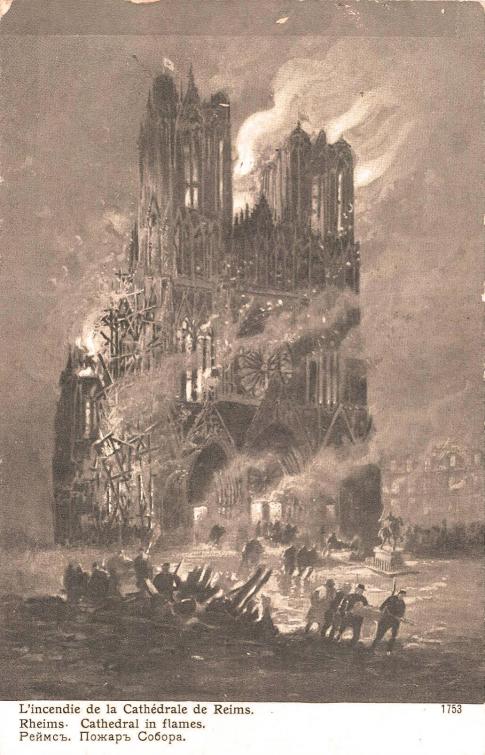
And at the same time, thanks to its emblematic past as a martyred city, Reims became the symbol of Franco-German reconciliation and peace between peoples.
Even today, the Marne bears witness to its determination not to forget, particularly through its impressive and unique memorial heritage. Numerous sites are waiting to be discovered, providing a better understanding of the past.
Discover the theme
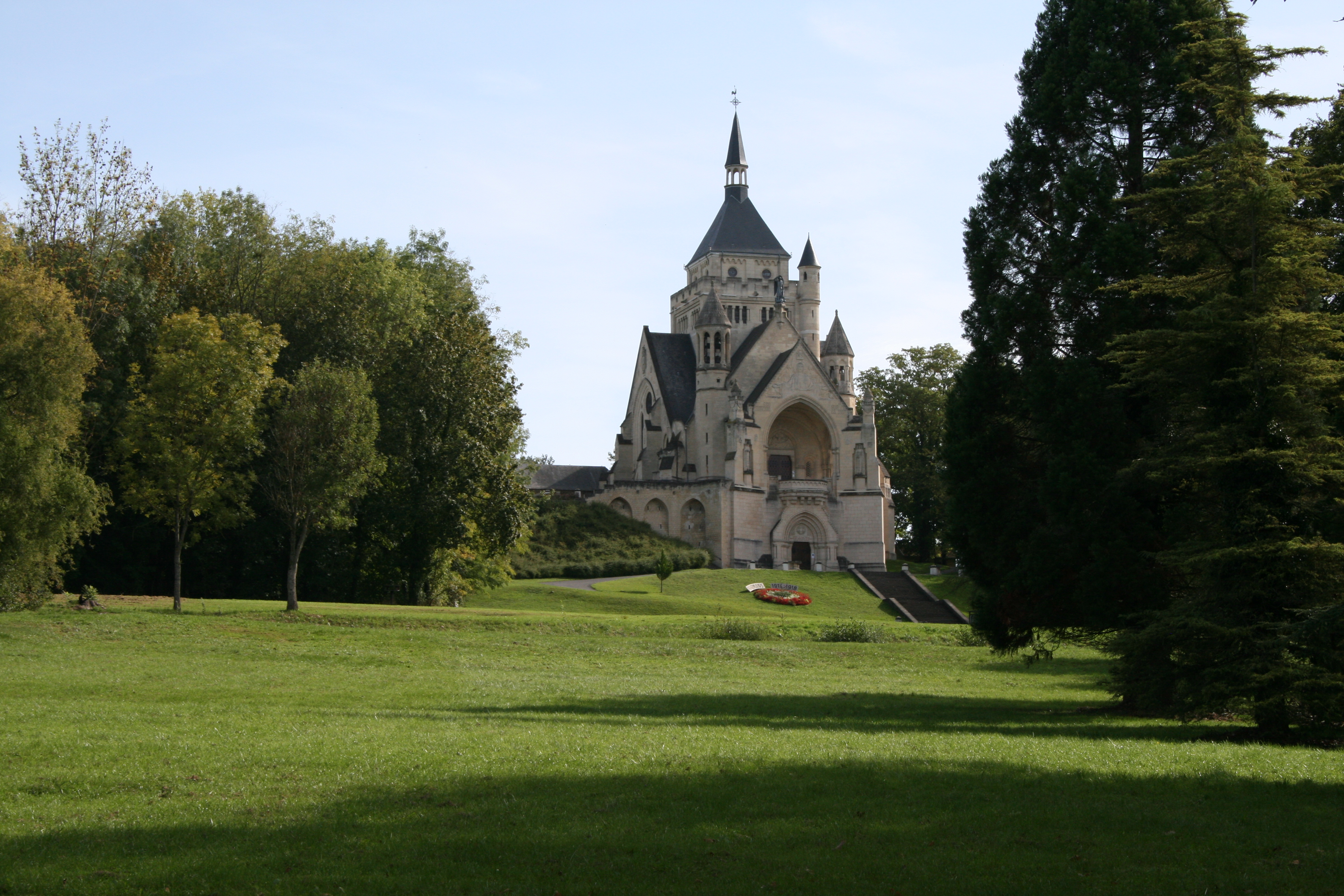
Mémorial de Dormans 1914-1918
Dormans
Built in 1921, on a site that was chosen by Marshal Foch to commemorate the two Battles of the Ma…
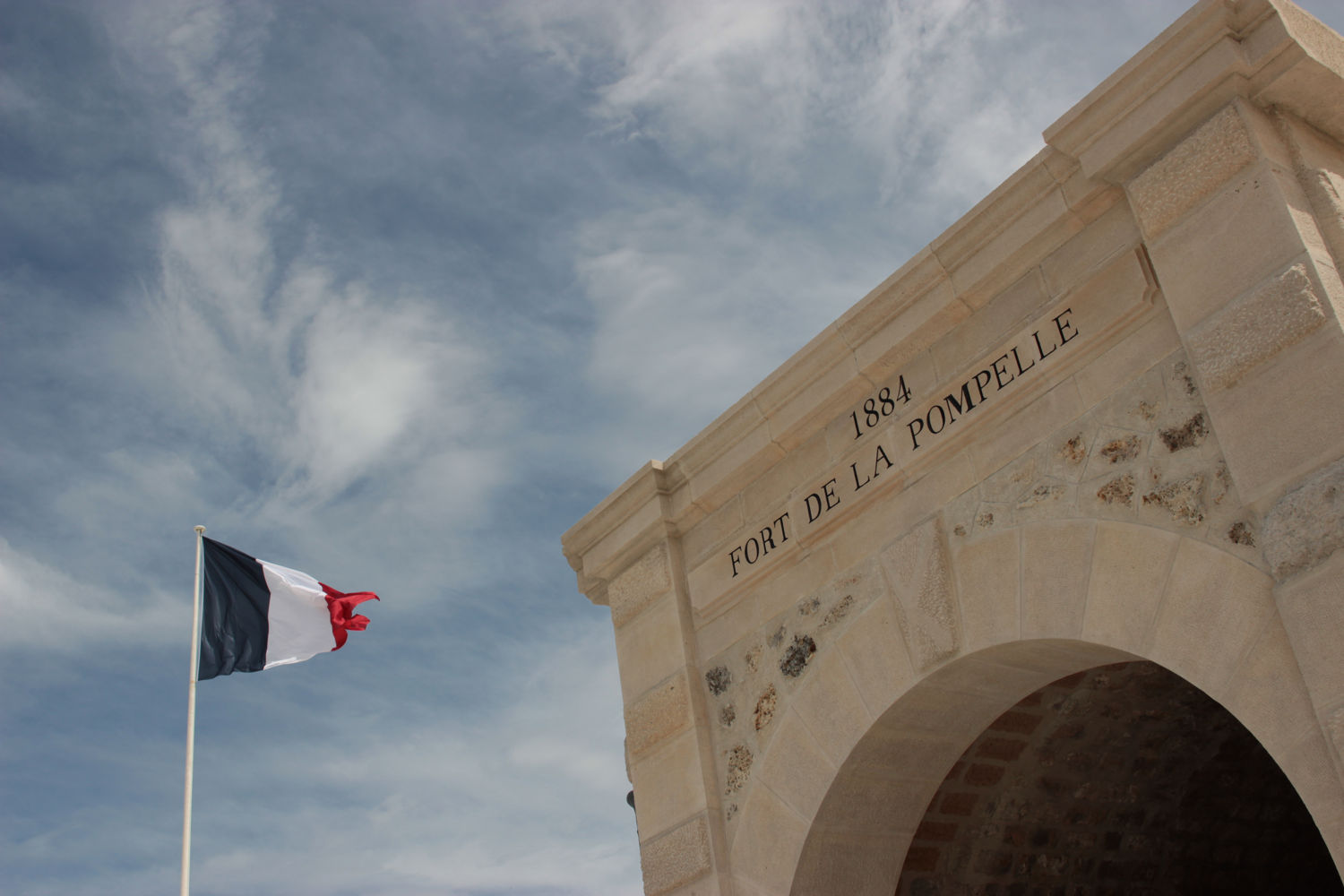
Musée du Fort de la Pompelle
Puisieulx
A Séré de Rivières – type fort built from 1880 to 1883 and a listed building. It houses the 1914-…
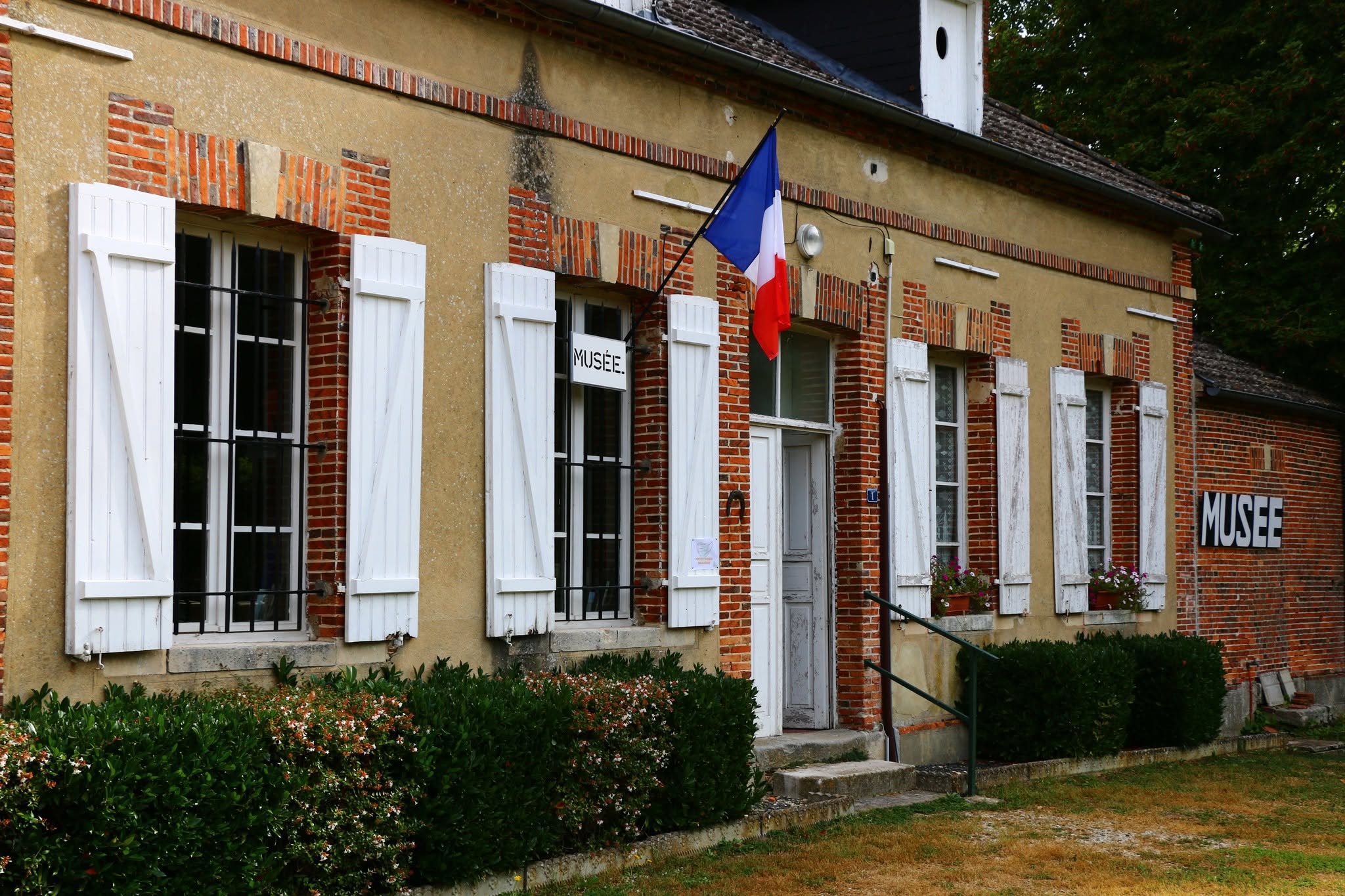
Musée de la Victoire de la Marne
Mondement-Montgivroux
The monument is a 35-metre high monolith erected to commemorate the first victory of the Marne in…
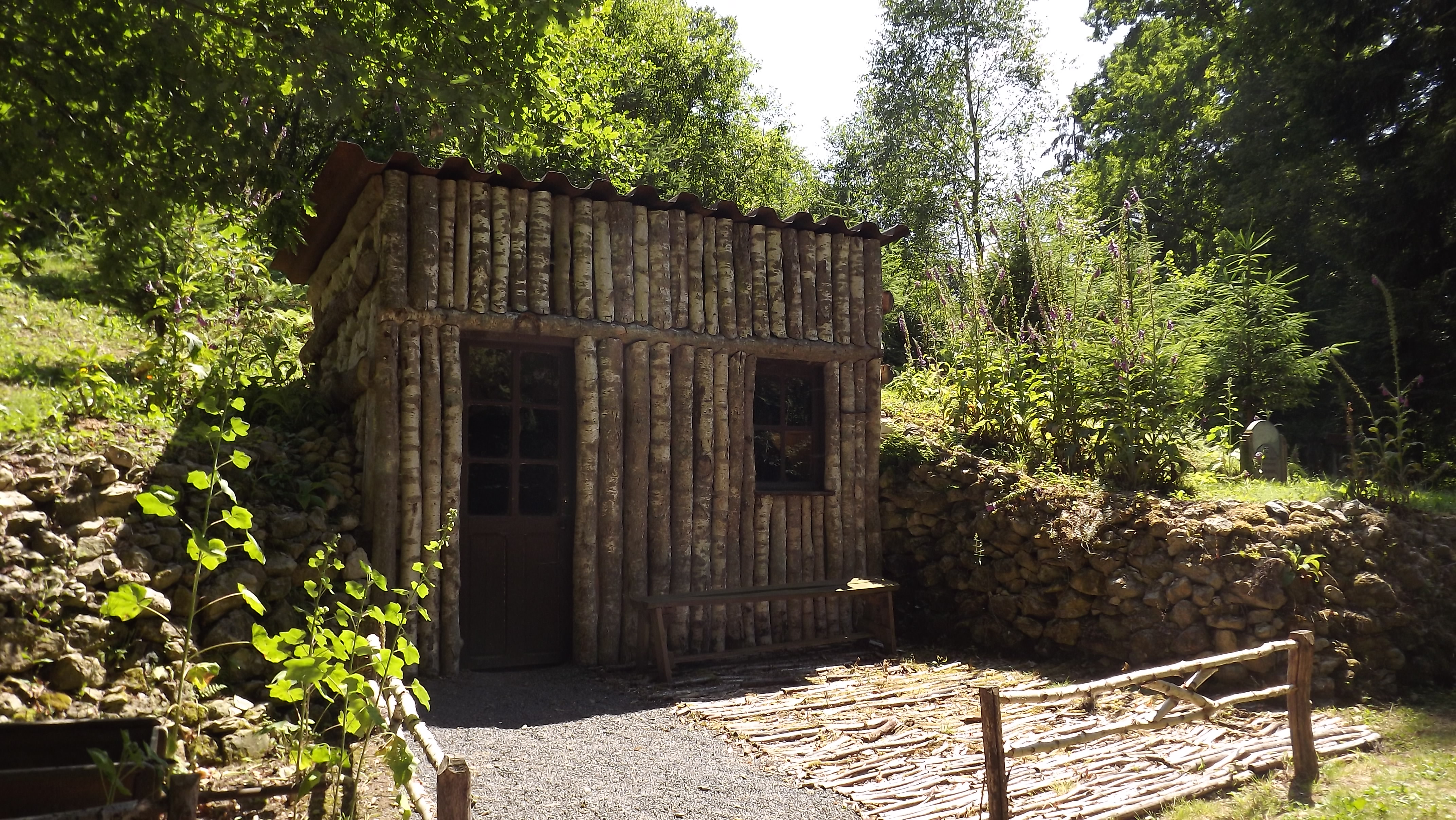
Site historique “Le Camp de la Vallée Moreau”
Vienne-Le-Chateau
This camp, located between Vienne-le-Château and Binarville, was a rest camp occupied by the 83rd…